
Outdoor Education Centres Today: Purpose, Pressure and Possibility
A new report, ‘Outdoor Education Centres Today: Purpose, Pressure and Possibility’ explores the pressures reshaping the outdoor education sector and how providers are adapting to respond to emerging challenges.
Acorn Adventure surveyed leaders of 28 outdoor adventure centres of all shapes and sizes* to understand the ‘state of the sector’ in 2026. Headline findings include:
20 of 28 centre leaders stated that what excites them most is the difference their work makes to young people
22 centres have adapted their programmes to respond to increased anxiety from both pupils and parents
Acorn Adventure’s Olga Oliver outlines their findings in more detail and explains what this could mean for your future residentials.

The residential is changing, and that could be good news for schools
Olga Oliver, Acorn Adventure
Activity residentials have always been about building stronger connections between pupils, building confidence, discovering independence and trying something completely new. While all those things still happen, the world has changed significantly for the outdoor activity centres, schools and students themselves.
A recent study, Outdoor Education Centres Today: Purpose, Pressure and Possibility by Acorn Adventure, brought together the views of 28 outdoor education centre leaders from across the UK to understand the pressures facing the sector and what the future might look like. Leaders spoke consistently about increased anxiety and reduced resilience among young people, more cautious parents and schools facing greater financial, safeguarding and accountability pressures.
For teachers, none of this is particularly surprising. Residential trips are being planned in a very different environment from even a decade ago. Teachers may be supporting pupils (and parents) who are nervous about being away from home and demonstrating to senior leaders that a trip represents genuine value for pupils and the school.
The encouraging message from the research, however, is that outdoor centres recognise this shift and are adapting to it.
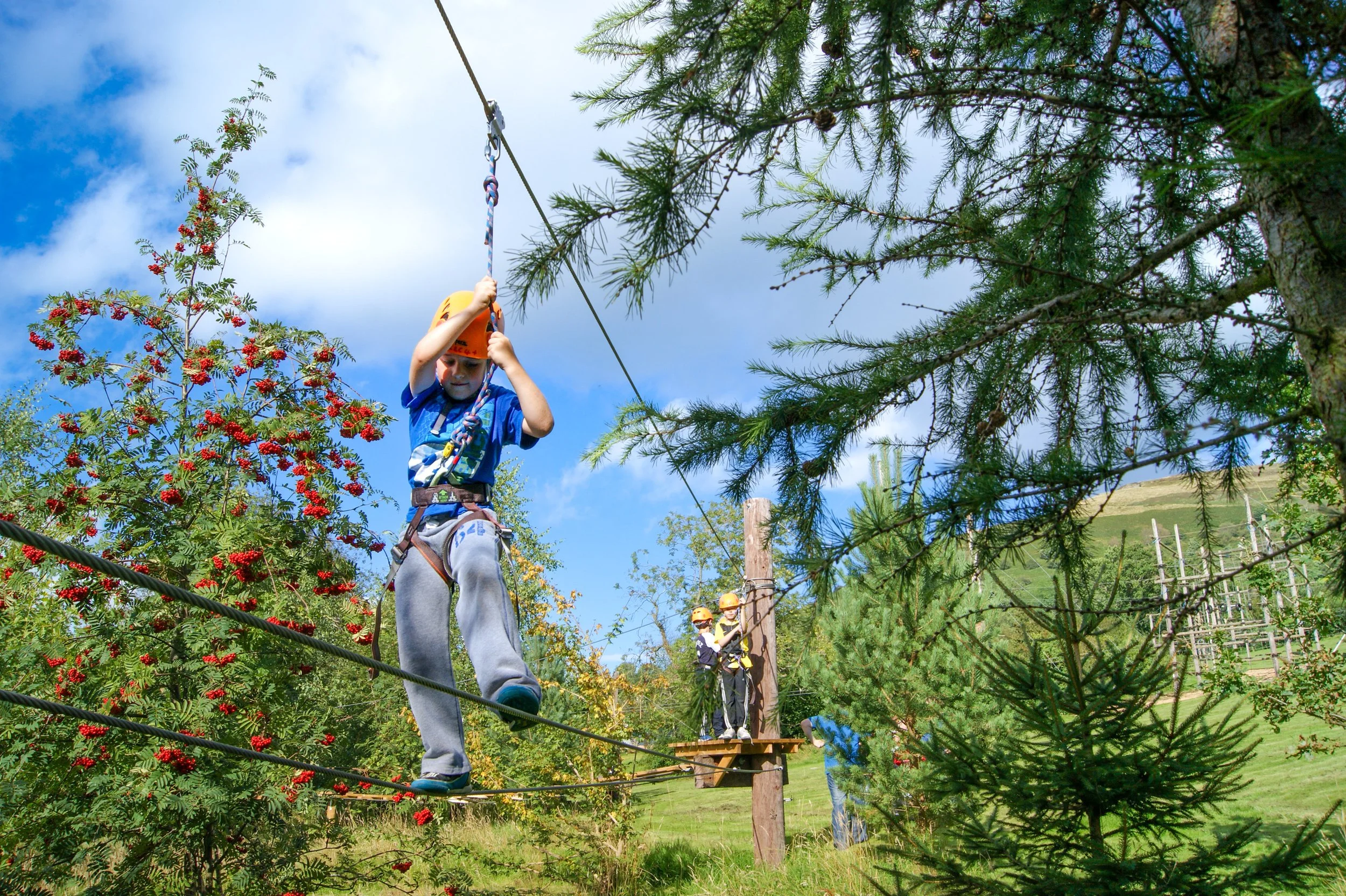
More than just a trip away
For schools, a good provider should be more than an organisation supplying accommodation and a timetable of activities. Increasingly, it needs to understand the pupils arriving at its centre and the challenges schools are trying to overcome.
One of the clearest opportunities identified by centre leaders is wellbeing and resilience.
Outdoor centres have always delivered experiences that support these areas, but there is growing recognition of their wider value. In the future, schools may see residential programmes increasingly designed around outcomes such as confidence, teamwork, communication, independence and emotional resilience, alongside the traditional focus on adventure and activity.
This doesn't mean every residential needs to become a formal wellbeing programme. It means providers are increasingly thinking about why an activity matters, as well as what pupils will do.
Making life easier for teachers
The future is likely to bring greater emphasis on making the whole process easier and more reassuring. For teachers, this could mean clearer information, simpler booking processes, better communication, more transparent costs and greater support before and during a trip. Providers are also looking at how technology and automation can reduce administration, allowing their teams to spend more time supporting schools and delivering great experiences.
Increasingly, more centres are investing in booking systems, researching new education programs, training staff in supporting students with different abilities, and adding SEND programs to their centres.
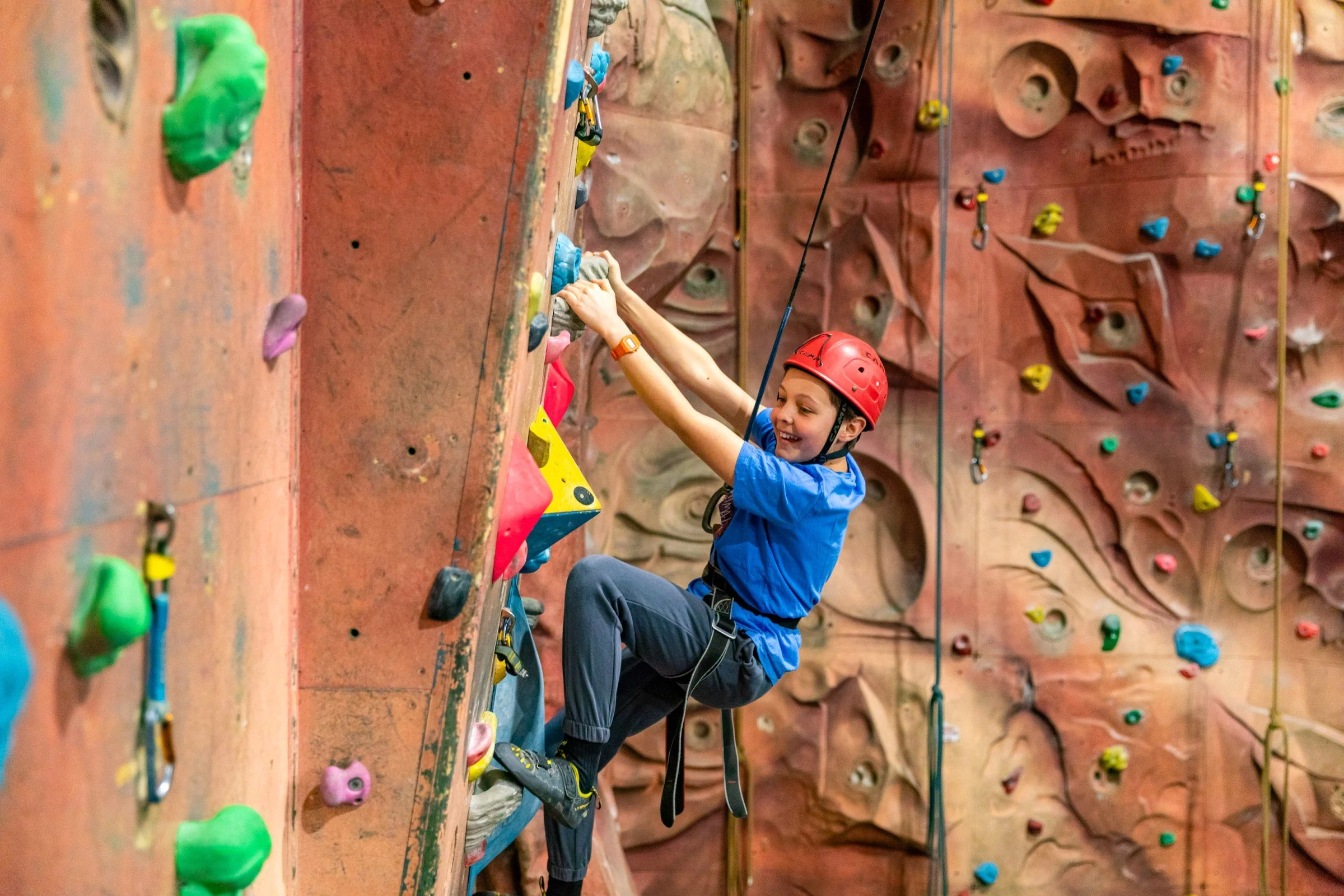
What can schools expect next?
Those running outdoor centres remain motivated by the difference they make to young people. They are looking for ways to work more efficiently, embrace technology, respond to changing expectations and strengthen their relationships with schools.
For teachers, the message is reassuring: the sector understands the pressures schools are facing and is motivated to help.
The residential of the future may look a little different. It may be more personalised, more outcome-focused and supported by better technology. It may place even greater emphasis on wellbeing and resilience. But its central purpose is unlikely to change.
Passion is what still makes it work.
Find out more about the report and download it here
*Participating centres included privately operated, charity-run and local authority owned and were located across the UK. They ranged in size from 30 to 500+ beds and offered a mix of indoor, tented and pod style accommodation.
All images: Acorn Adventure