
How can we remove barriers to enrichment?
Delegates at the 2026 Labour Party Conference heard from politicians, teachers and providers on removing the barriers to enrichment for all children and young people at a fringe meeting ‘From School Trips to System Change: Making Enrichment a Core Part of Education’, hosted by PGL Beyond and its coalition partners in the Purpose Coalition.
Joining PGL Beyond’s CEO Anthony Jones and Head of Impact and Breakthrough Learning, Dr John Allan were Martin Serrão, Executive Principle at Northampton International Academy and Helen Hayes MP, Chair of the Education Select Committee. It was chaired by Paula Sherriff, Engagement Director at the Purpose Coalition. Panellists outlined why enrichment should be viewed as a core part of a young person’s development and how this can be achieved through partnership and shared aims.
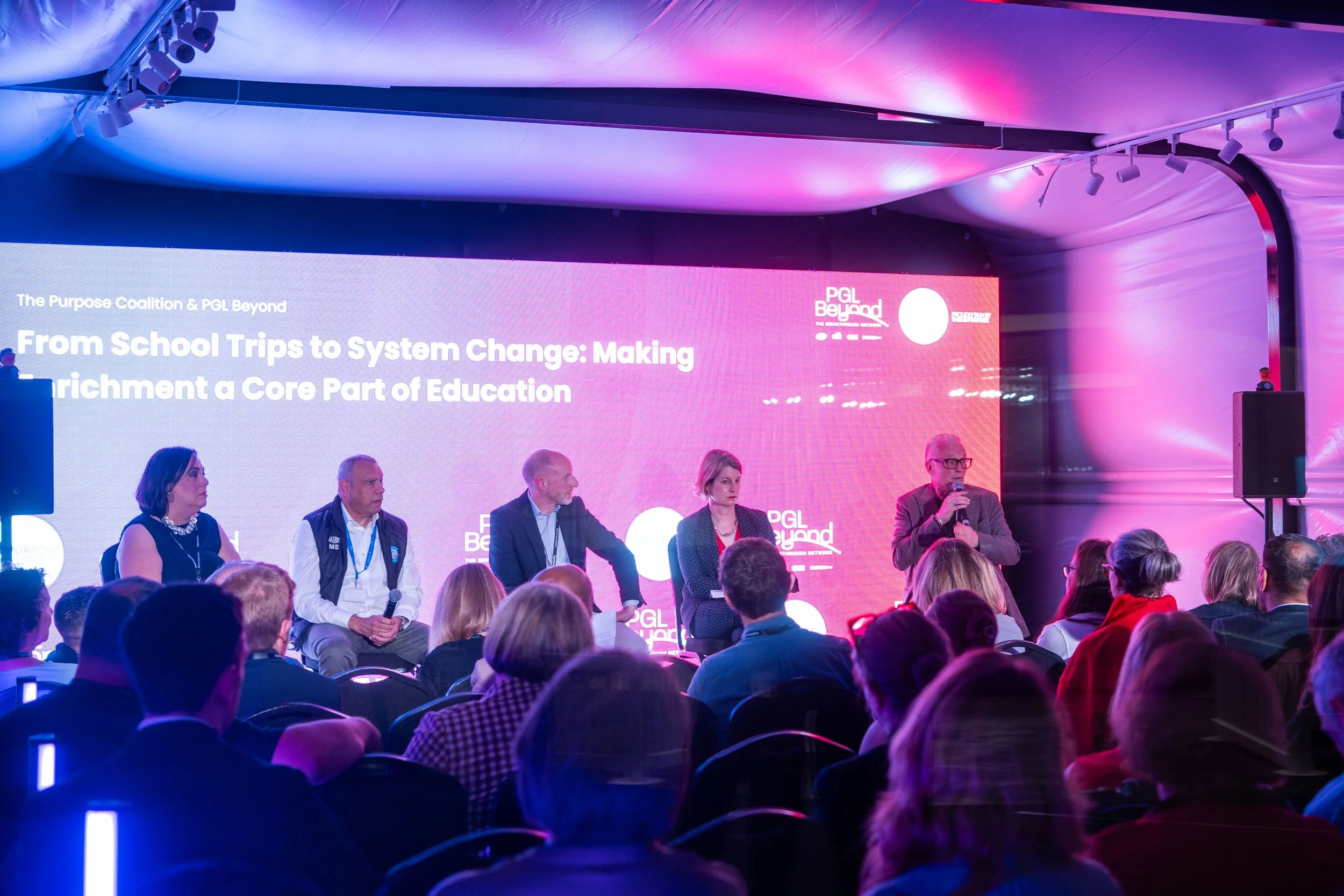
Image credit: PGL Beyond
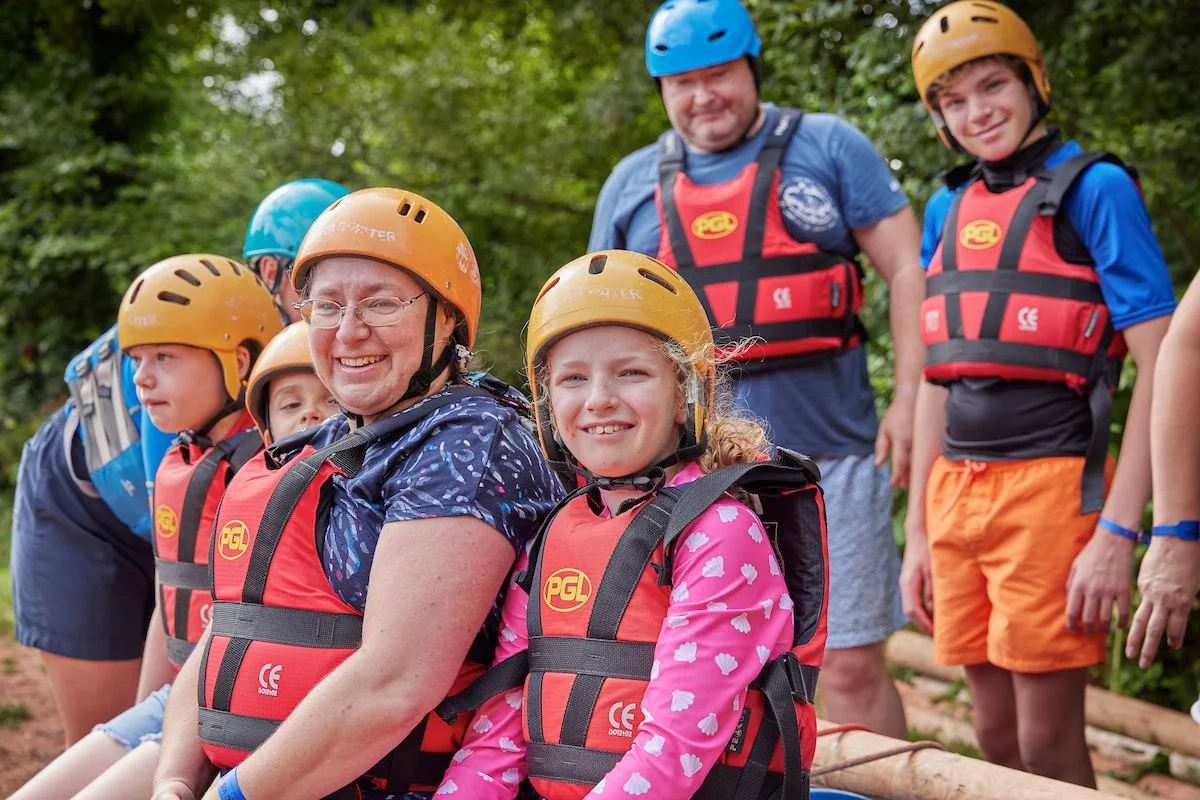
Earlier this year, the Department for Education’s Enrichment Framework set out the expectations on schools in England, with benchmarks for schools to identify and track progress. However, children and young people face a number of potential barriers to accessing learning beyond the classroom including cost, SEND or other individual needs, socio-economic background and confidence. These challenges need to be recognised and addressed if enrichment is to work for everyone.
BREAKING DOWN barriers (Feb 2026)
A recent impact report from PGL Beyond, highlighted the positive effect that high-quality enrichment, including outdoor and experiential learning, has on a young person’s confidence, resilience, wellbeing, relationships, and future skills. It showed that, when delivered strategically, learning beyond the classroom can complement academic education to deliver positive outcomes over the long term.
the benefits of enrichment are likely to be strongest when participation is regular, sustained, and meaningful
Intention was a theme running through the discussions at the event. Panellist, Dr Allan stressed the importance of high-quality, well-designed enrichment. Provision needs to be “purposeful, inclusive, and developmentally appropriate, with clear goals, opportunities for progression and reflection, positive relationships, variety and creativity, and connections to curriculum and wider school or community priorities”.
Enrichment should be recognised for its central role in education, not as an optional extra – “the benefits are likely to be strongest when participation is regular, sustained, and meaningful”, he argued.
Speaking on behalf of providers such as PGL Beyond, CEO Anthony Jones highlighted their role as enrichment partners:
“Schools are already under immense pressure, and so it’s important to recognise that they do not have to deliver enrichment alone”.
From access for some to opportunity for all
“We’re here to help schools to move from isolated occasional activities to an intentional journey of enrichment. From access for some to opportunity for all. Providers can help schools and colleges plan a broad, balanced, and progressive enrichment offer, deliver those experiences across all enrichment categories, and support schools to widen participation by removing barriers and connecting the experiences provided back to clear developmental outcomes based on evidence.”
Discussion turned to how Government, schools, MATs, and specialist providers can work together to scale evidence-led and inclusive enrichment. Addressing policymakers, education and outdoor learning professionals, Dr Allan set out the scale of the challenge:
“The key question for the future is not simply whether enrichment works, but what works, for whom, in what circumstances, and why.
“This requires stronger collaboration between schools, outdoor and enrichment providers, researchers, employers, and communities; better longitudinal evaluation; intentional programme design based on a clear theory of change; and provision that is differentiated to young people's developmental and contextual needs.”
Anthony Jones added:
“By working closely with schools, colleges, and trusts, we (providers) can provide the right support, adaptations, and mode of delivery that allows more young people to access purposeful, inclusive, and impactful enrichment experiences. Whether it’s being more flexible and adapting programmes or looking at funding options such as PGL’s Breakthrough Fund, we can help to make enrichment more accessible and achievable for every young person.”
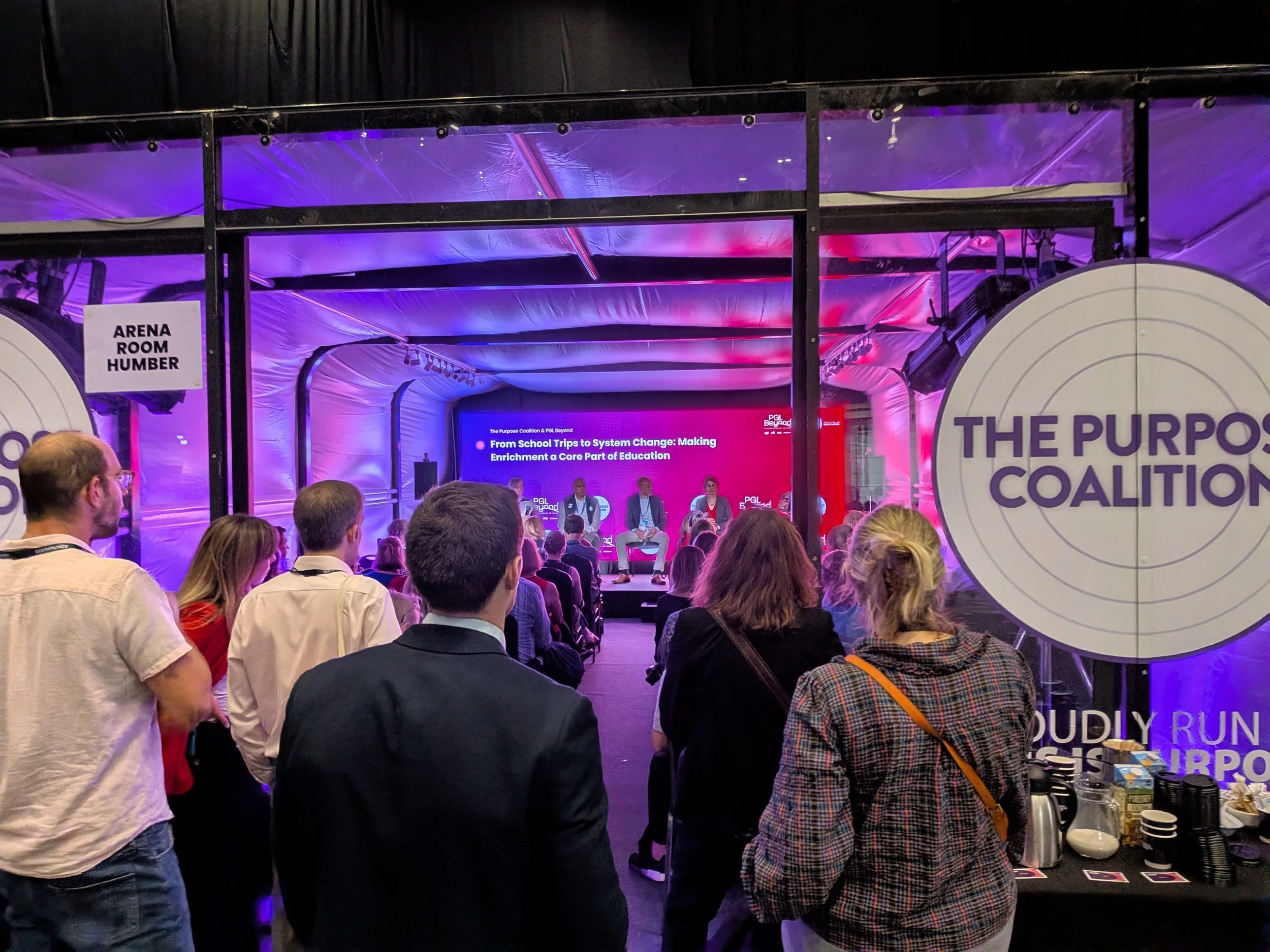
About the Purpose Coalition
The Purpose Coalition is a collaboration between organisations dedicated to promoting social mobility and equal opportunity. The Coalition works to dismantle barriers and create a fairer society, ensuring that everyone, regardless of their background, can achieve their full potential. As part of this work, the Breaking Down Barriers Commission is dedicated to identifying and dismantling obstacles that hinder social mobility and equal opportunity.
PGL Beyond joined the Purpose Coalition in July 2024 to add its influence and expertise to support the aims of the Commission.