
New Enrichment Framework aims to “build skills and confidence for life”
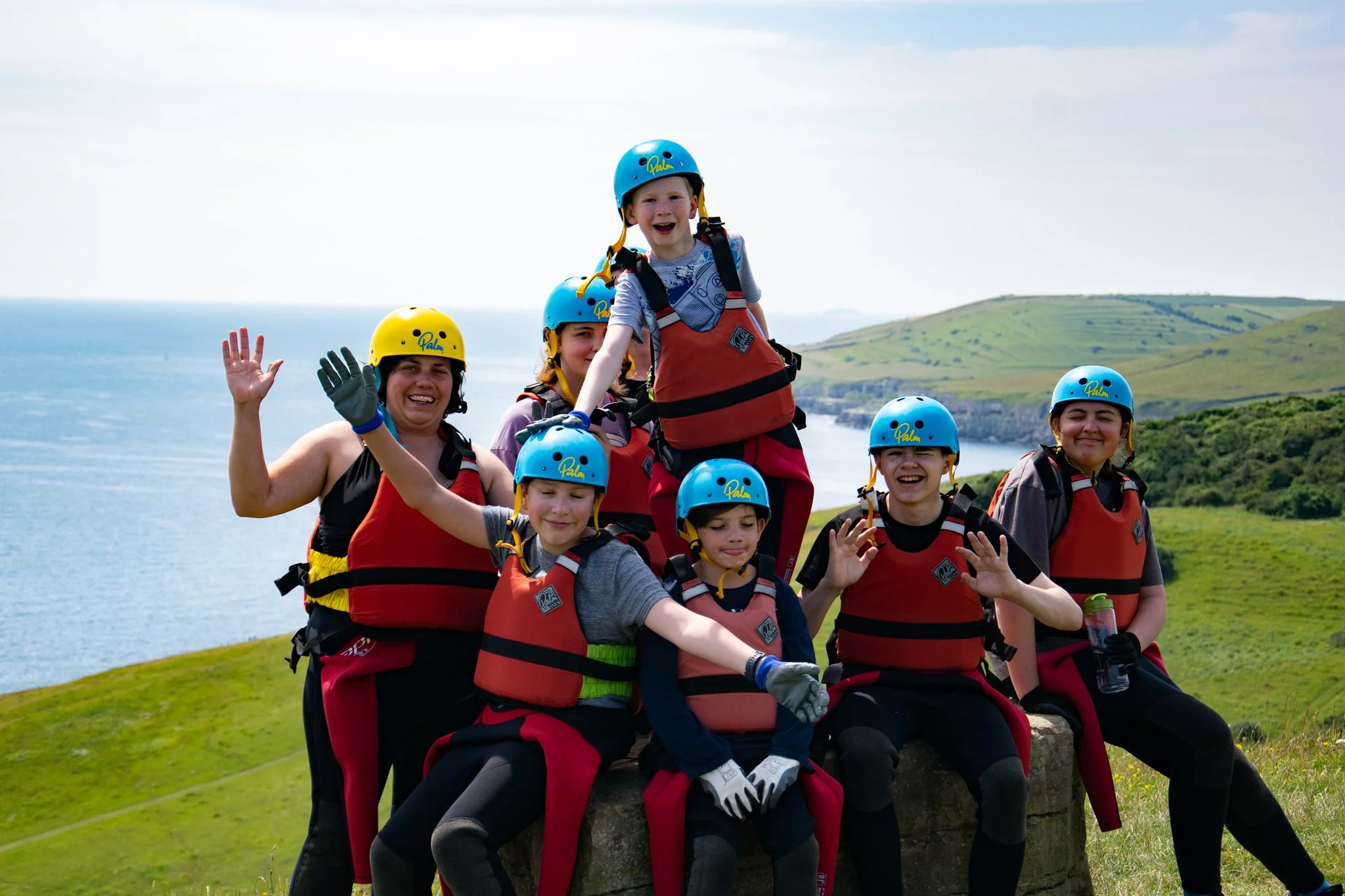
Image: Land and Wave
The UK Government has this week launched an enrichment framework under the banner 'Every Child Can' to expand access to enrichment activities for all children and young people. Alongside new guidance and resources, the programme will deliver £132.5 million of funding for activities through schools, community programmes and beyond. It will be funded by the Dormant Assets Scheme and managed through the National Lottery Communities Fund.
‘Every Child Can’ sits within a wider set of reforms including the Curriculum Review, National Youth Strategy and a £22.5 million enrichment expansion programme for 400 schools in deprived areas. It also forms part of the government’s response to the State of the Nation survey (published in December 2025) of more than 14,000 young people, which found that young people today face some of the highest levels of isolation globally. They want safe spaces, trusted adults, better mental health support and greater access to enriching activities.
An enrichment framework
Published on 15 June, new non-statutory guidance introduces an Enrichment Framework with a series of 8 benchmarks against which schools and education settings can assess their progress. These eight areas, and the corresponding resources and indicators, have been developed with input from a working group of experts drawn from schools and organisations involved in learning beyond the classroom.
-
Enrichment in schools and colleges encompasses a wide range of activities and experiences that exist beyond the curriculum, either linked directly to the curriculum (co-curricular), or covering skills, knowledge and activities that work in addition to it (extra-curricular).
Enrichment can support children and young people with their personal development, allowing them to explore their interests, try new activities and have fun, alongside developing skills and knowledge that can help with transitions and future readiness.
The framework supports development of the broader curriculum across five categories; Civic engagement, Arts and culture, Nature, outdoor and adventure, Life and future skills, including STEM, Sport and physical activity and is also linked to the new Ofsted inspection approach. Ofsted will consider a school's enrichment offer as part of it’s assessment of personal development, and parents will be able to view their local school’s offer through new ‘school profiles’.
Alongside the Enrichment Framework guidance is a self-assessment tool, an action planning tool and a series case studies, showing how schools are meeting these indicators. One such example is Surrey Square Primary School, which explains how its trips and experience passport contributes to enrichment goals.
The guidance also includes reference to the importance of partnership in enrichment, and the contribution of external providers, venues and organisations in providing opportunities for visits and learning beyond the classroom.
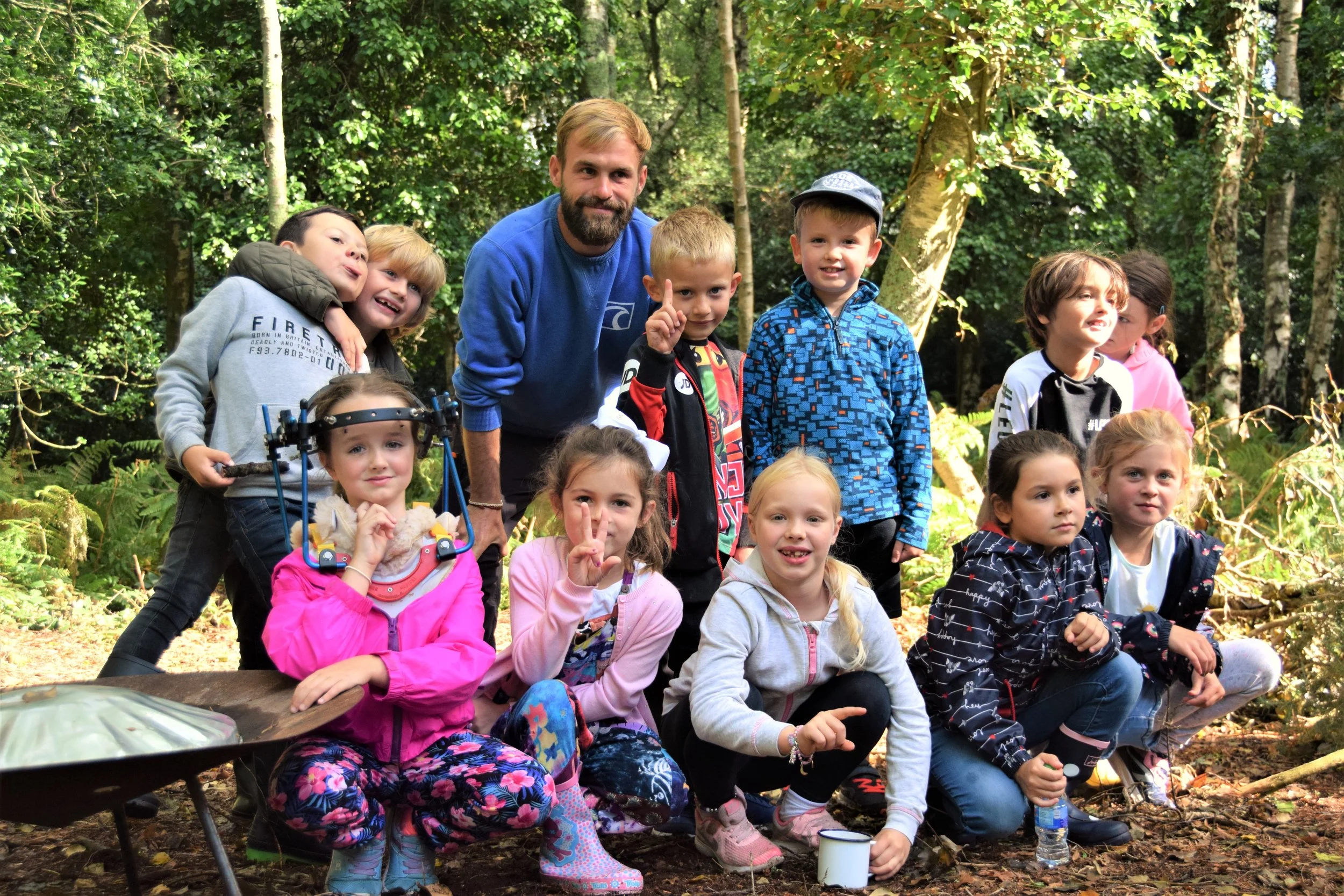
Image: Land and Wave
Education Secretary Bridget Philipson says:
"Every child should be able to enjoy sport and the creative arts, not just the lucky few.
"Whether it's performing on stage, playing sport, exploring nature or getting involved in their community, these experiences build confidence, spark ambition and help young people discover what they are capable of.
“Investment is about making sure the childhood experiences we truly value can once again be for every young person, wherever they live.”
In a timely move, the All-Party Parliamentary Group for Outdoor Learning recently completed its enquiry into Access and Equity in Outdoor Learning. It’s interim report along with the results of a survey of practitioners is being shared with the secretary of state to support the DfE’s enrichment curriculum development programme.
Responding to the announcement, Tim Farron MP (joint chair of the APPG-OL) says:
“It’s really great to see the Government investing in enrichment opportunities for children. However, my worry is that there is no good substitute for week-long outdoor education residential trips. These trips do an unbelievable job in building confidence, resilience, and a love of learning. This announcement must not be a substitute for giving our young people these life changing experiences.”
Jo Barnett, CEO at the Institute for Outdoor Learning says:
"Outdoor Learning aligns strongly with ‘nature, outdoor and adventure’ while supporting all strands of development, building confidence, skills and wellbeing.
"As the Institute for Outdoor Learning, we welcome the DfE Enrichment Framework but emphasise that access to Outdoor Learning remains uneven. Participation is shaped by capacity, funding and systemic barriers, not demand alone. This presents a crucial opportunity to remove these constraints and ensure equitable, consistent access to high-quality Outdoor Learning for every child."
Emma Wiid, Director of Learning, Development and Standards at EVOLVE Advice says:
“It is encouraging to see the Government recognising the value of the learning, development and opportunities that happen beyond the classroom – from visits in the local area, right up to adventurous and overseas residentials.
“By bringing together curriculum reform, inspection priorities and a proposed enrichment entitlement, there is now a clearer acknowledgement that these experiences are not an optional extra, but an important part of a broad and balanced education for every child, in every setting.
“At EVOLVE Advice, we see the incredible work that schools do every day to provide opportunities that bring the curriculum to life and help young people develop those wider skills, often despite significant financial and practical challenges.
“This investment has the potential to help more young people access opportunities that may previously have been out of reach. By placing equity and inclusion at the heart of these reforms, schools are being encouraged to think not only about what opportunities are available, but also who is accessing them, where barriers still exist and finding ways to overcome them.”
The Department for Education says it will work closely with schools, colleges and sector partners to support the implement of the Enrichment Framework and to monitor it’s impact.
Find out more about the Enrichment Framework here.