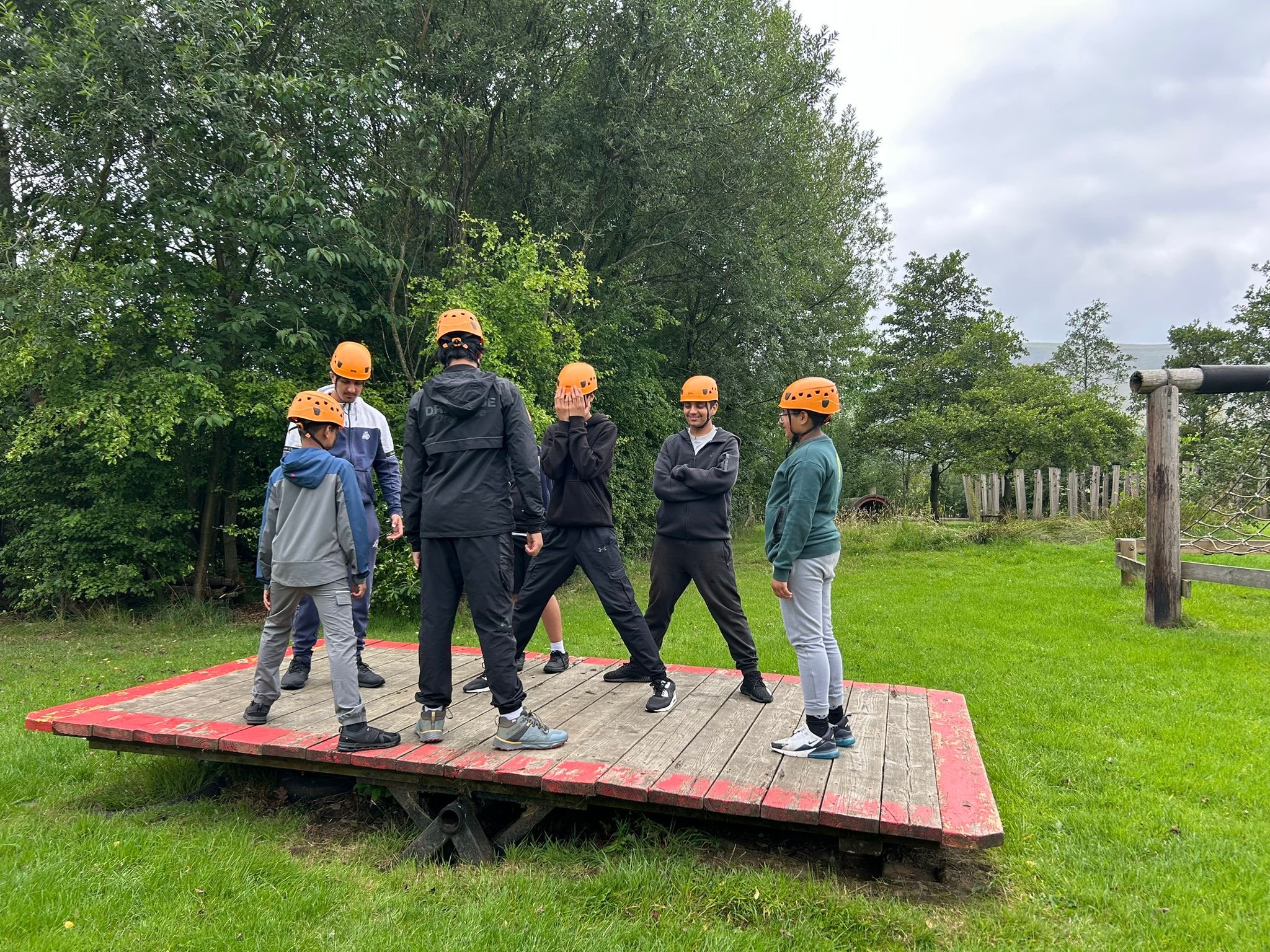




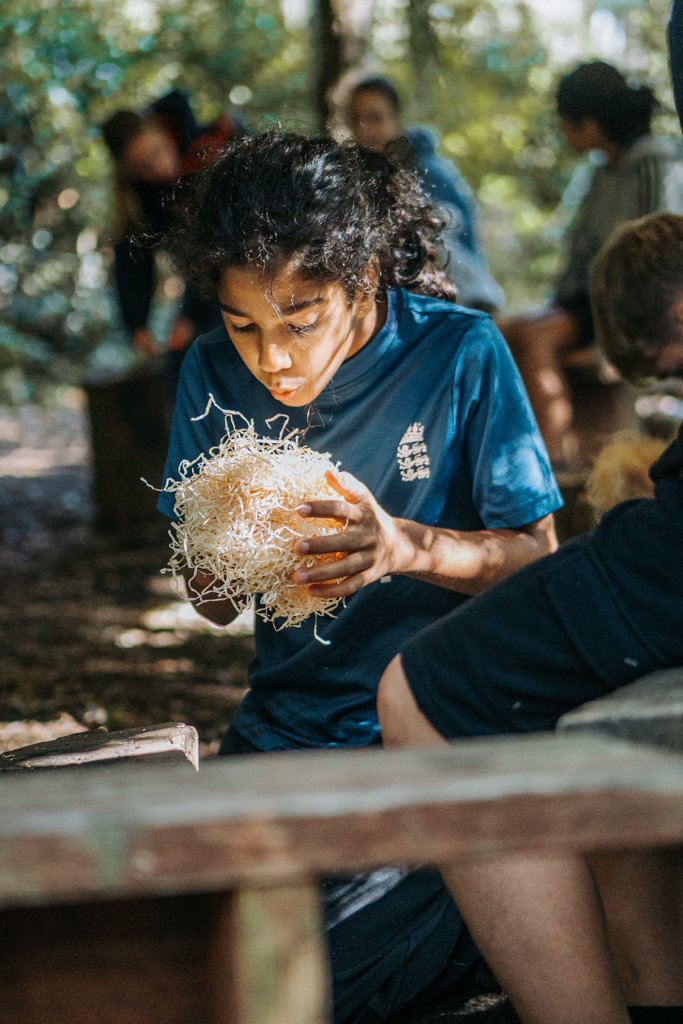
 Image: Land & Wave School Trips
Developing Metacognition Beyond the Classroom
By Nathan Burns (Mr Metacognition) · 2 Nov 2026 · 5 min read
Metacognition doesn't stop when students leave the classroom. It can be a powerful tool for learning, particularly during adventurous or challenging activities.
Nathan Burns, known as Mr Metacognition, is a writer and trainer in metacognition for increasing attainment in schools. He explains what metacognition is and how it can support learning outcomes from your educational visits.
Metacognition is typically seen as something highly academic: something for the maths or the English classroom; and for our highest-attaining students. But metacognition is important for all children and young people , and it is pertinent to almost everything that we do.
Importantly, metacognition doesn't stop when students leave the classroom.
Metacognition is everywhere
Imagine painting a wall. You try one technique around the edges, it doesn't quite work, so you try another. Perhaps you thin the paint or use a different brush. You monitor the result and adjust your approach.
Or imagine cooking without any scales. You estimate the ingredients, taste the result and discover it is too runny. What do you do? Add more flour. Too thick? Perhaps some milk.
We plan. We try strategies. We monitor how well they are working. We adapt. We evaluate.
Educational visits provide countless opportunities to do exactly the same.
Plan for thinking – but don't force it
Before a visit, consider some of the thinking you would like students to engage in.
What existing knowledge might they connect to what they are going to see? What questions might you ask? What strategies might they need during an activity? What would you like them to notice, compare or question?
This doesn't mean shoe-horning metacognition into every moment. Nor should we take the fun out of a visit by constantly stopping students to ask them to reflect.
Instead, know where the opportunities might arise – and then listen.
What are students noticing? What questions are they asking? What connections are they making? What has surprised them? We can guide these conversations while allowing students' own thinking to take us in directions we hadn't planned.
What’s the evidence for metacognition?
The Education Endowment Foundation’s (EEF) Teaching and Learning Toolkit currently rates metacognition and self-regulation as the highest-impact approach to elevating student outcomes, estimating an average of eight months’ additional progress.
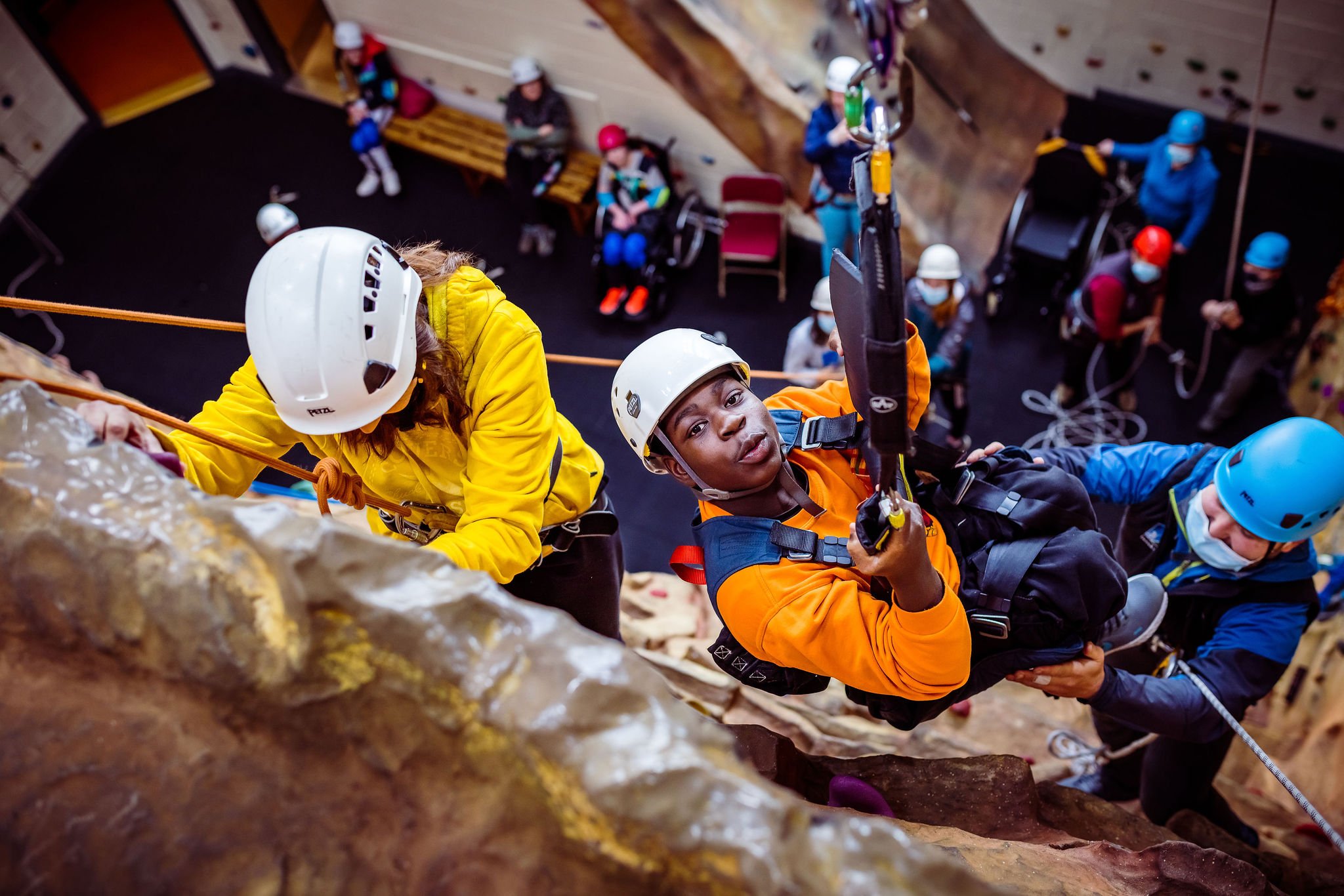 Image: Bendrigg and and Mark Battista
Advertising keeps The EVC Magazine free. Find out more
Think about the activity, not just during it
This becomes particularly powerful during adventurous or challenging activities.
Imagine students constructing a raft. Their first design doesn't work. What do they change? Why? Perhaps their first strategy worked with four barrels but doesn't work when the challenge changes. Do they persevere with the same approach or recognise that they need another?
The activity itself is valuable, but the meta comes from thinking about that experience.
Why did our first approach fail? What did somebody else suggest? Why was their strategy more successful? What did we already know that helped us? What would we do differently next time?
These conversations can also develop teamwork. Planning together, discussing strategies, monitoring progress and collectively evaluating an approach all require students to make their thinking visible to others.
Similarly, when students encounter risk or uncertainty, encourage them to draw upon what they already know. What does this remind them of? What previous experience might help? What information doesn't quite fit with what they expected?
Don't leave the learning at the venue
Finally, make time to talk afterwards.
Of course, ask students what they enjoyed and what they learned. But go further.
What did they find difficult?
What strategy eventually worked?
What did they learn about themselves?
What would they do differently next time?
Metacognition helps students connect new experiences to their existing knowledge while developing a greater awareness of themselves as learners.
And perhaps that is one of the greatest opportunities educational visits provide. We aren't simply giving students something different to do for a day. We are giving them new experiences through which they can plan, monitor, evaluate, question, compare and, ultimately, learn more about how they learn.
SponsoredAdvertising keeps The EVC Magazine free. Find out more
Read the whole magazine, free
Sign in with your email, or download our free app for editions, news and offline reading.