


 AKS Lytham
In conversation with...Nick O’Loughlin Head of Geography
AKS Lytham · 28 Mar 2024
Washing in glacial outflow streams, arguing with Italian officials, and taking the whole of year 7 caving under the Yorkshire Dales are just a few of the stories Nick has collected over twenty years of educational visits. We asked him to share some of his more memorable experiences and his advice for other visit leaders and EVCs.
“I believe that educational visits are an essential part of education for all young people.”
Motivation
How would you describe your approach to educational visits? what or who has influenced you?
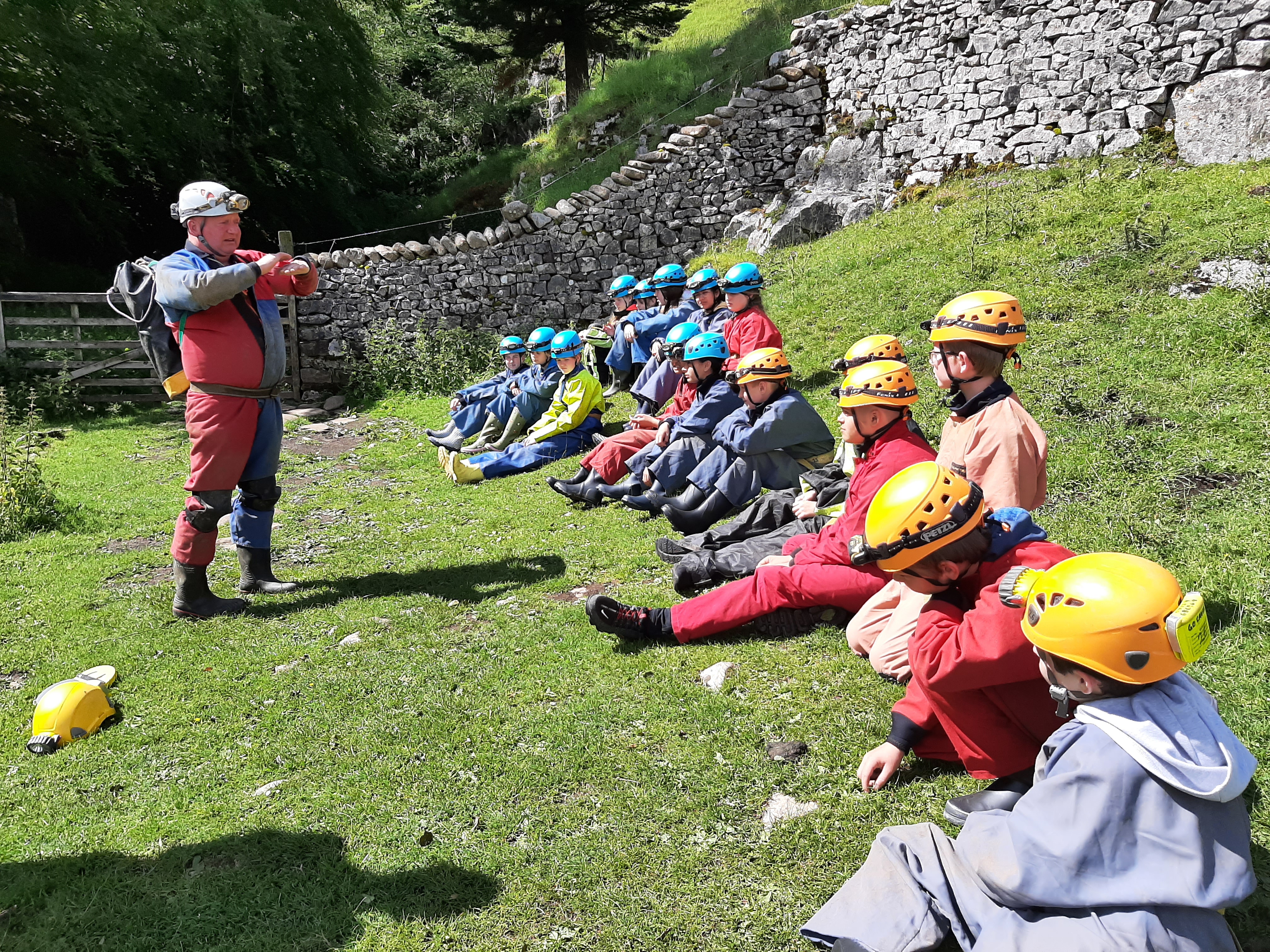
I think they are so important for helping students to understand the relevance of what they are studying at school. Where better to learn about tectonic processes than standing on the summit of a volcano in Sicily; or to understand the impact of water on geological formations than in a cave under the Yorkshire dales. Educational visits in any subject can spark a life-long interest in something that young people may otherwise never have thought about.
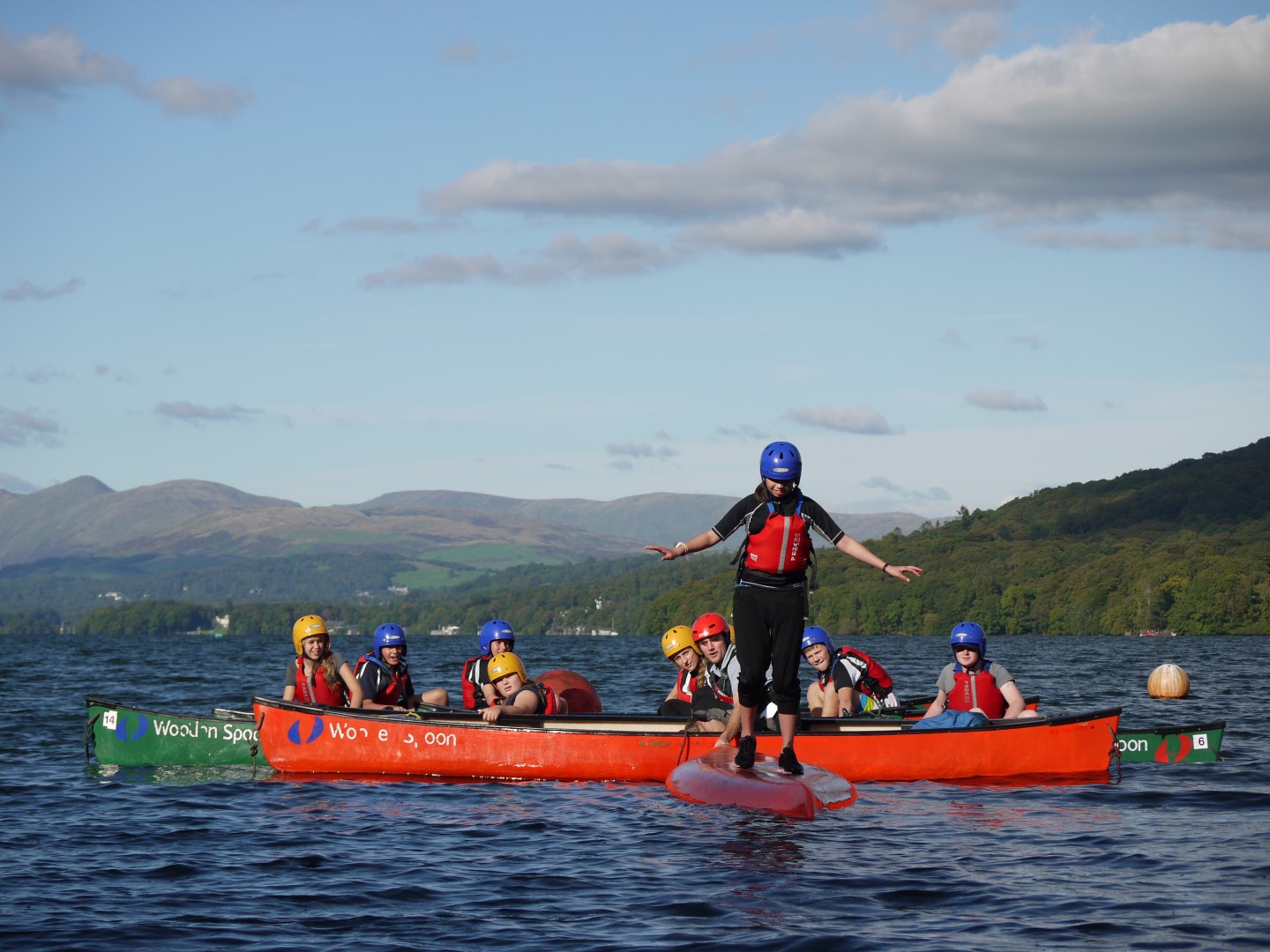
As far as adventurous activity goes, I’ve always been ‘outdoorsy’ – I grew up climbing and hiking in the Lake District at every opportunity, so I love introducing young people to these kinds of activities.
Before I became a teacher, I worked at YMCA Lakeside, an outdoor centre in the Lake District. It was there that I came to understand the possibilities that learning outside the classroom can offer, for young people from all backgrounds.
Passion
What has been your all-time favourite visit, and why?
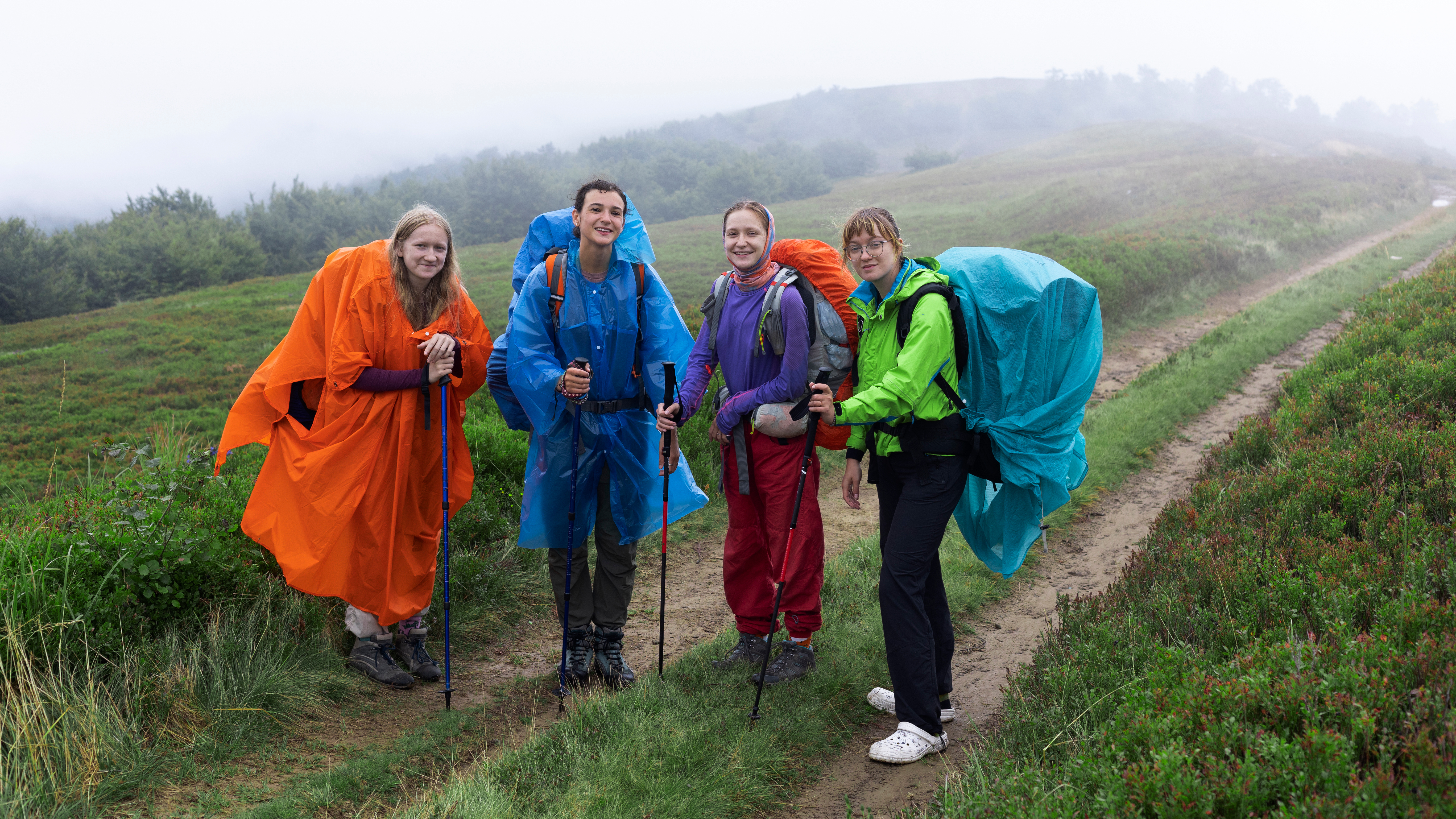
Back in the summer of 2007, I took twelve Year 12 students on a trek around south central Iceland, visiting the lava fields of the Laki eruption. We walked 100km, over 5 days, through the most exciting and unworldly, landscapes. We washed in glacial outflow streams (yes, very cold!) and stayed in remote mountain huts. The weather was (mostly) good and the students were excellent company, always looking out for each other and helping when help was required.
This was a life changing moment for many on the trip, me included, and I am still in contact with the students who were on this visit over 15 years later.
Resilience
What challenges have you faced when organising and running overseas and adventurous educational visits?
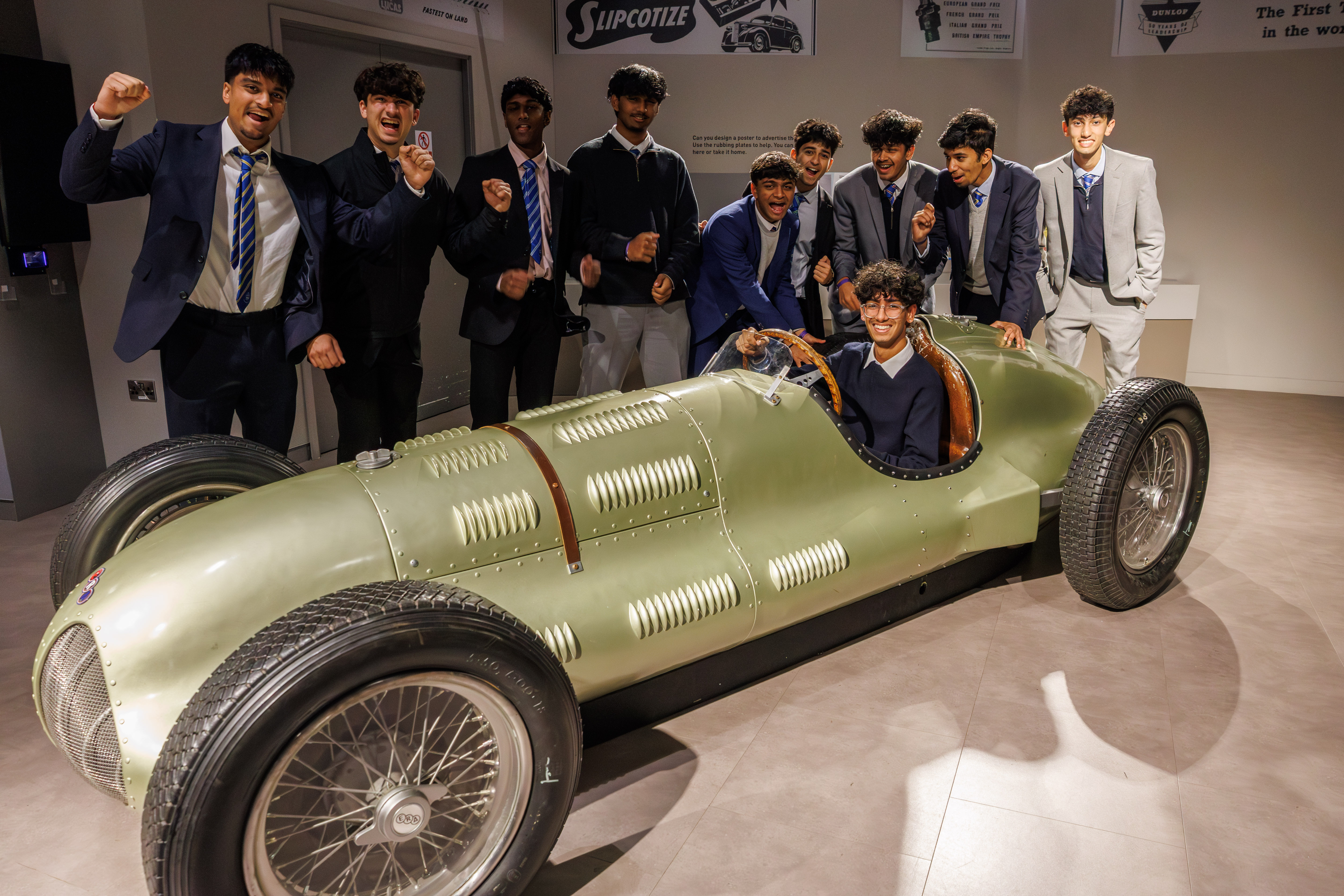
Taking students abroad does throw up some unexpected challenges. One student on our trip to Sicily had to take medical equipment, which could not go through airport scanners. This was fine on the outbound trip, but harder to explain in Italian at the airport on our way back! Fortunately, we had all the necessary paperwork from the doctors, and after a ‘short’ interval, everything was resolved and he was allowed to travel.
Overseas and adventurous activities have their own challenges, but I have found using a good company and provider (holding the LOtC Quality Badge) takes much of the stress out of planning these visits.
What have you learned from managing trips and visits?
The benefits don’t end when you get back to school. Accompanying groups on visits has had a positive impact on my relationships with students and staff over the years. Often we’ve shared important, sometimes emotional, experiences which breaks down barriers – this can help with behaviour in the classroom too.
Dealing with unexpected situations that arise on educational visits has helped me develop into a solutions-focused practitioner and honed my leadership skills. I have learnt the importance of effective staffing on trips and valuing my team’s judgement in overcoming challenges.
What training, support, resources have you found helpful?
Support from our advisers has been very useful, especially in running trips abroad. They often ask the questions I hadn’t thought about yet – the things I don’t know that I don’t know!
Teacher-led social media accounts are very helpful for learning from others’ knowledge and experience as well as getting useful recommendations on providers.
Nick’s top tips would for visit leaders and EVCs
- Staffing is critical to success.
Choose your visit team carefully and set clear expectations - Do they engage with the activities and actively encourage the students throughout the trip? Can you, as the trip leader, delegate effectively to them and can they find solutions if anything goes wrong? Look for ways to develop individuals and encourage new teachers to join trips and residentials to build their own experience as future visit leaders.
- Take copies of paperwork with you. You never know when your phone or laptop might not work.
- Maintain a sense of humour! Organising, planning and running trips is hard work – there is no such thing as an ‘easy’ school trip. Things will go wrong; transport might be late, you might be stuck in a traffic jam, the weather unexpectantly turns bad, a student comes down with a sickness bug…the list is endless, but throughout it all maintaining a sense of proportion and humour will make the trip more enjoyable for everyone involved.
--
Nick is Head of Geography and Curricular Coordinator at AKS Lytham, and independent school on the beautiful Fylde Coast. He is also a Trustee for the Institute for Outdoor Learning and the Field Studies Council. He is currently undertaking a part time PhD into the lived experience of subject leaders who undertake learning outside the classroom.
Originally published in The EVC Magazine Spring 2024
Read the whole magazine, free
Sign in with your email, or download our free app for editions, news and offline reading.